A three-day trip is long enough to require a plan and short enough that overpacking creates more inconvenience than protection. The simplest method is to pack by category, then check each category against the itinerary.
1. Confirm the trip conditions
Before choosing clothing, review the expected weather, planned activities, dress requirements, access to laundry, transportation, and luggage restrictions. A business dinner, outdoor activity, or formal event changes the list more than the number of nights alone.
2. Build a compact clothing plan
For many three-day trips, the starting point is:
- One travel outfit
- Two additional tops
- One or two additional bottoms, depending on the itinerary
- Underwear and socks for each day, plus a reasonable backup
- Sleepwear
- One suitable outer layer
- Activity-specific clothing only when the schedule requires it
Choose items that work together. A small color and function range creates more combinations than several unrelated outfits.
3. Limit footwear
Wear the bulkiest appropriate pair during transit when practical. Pack another pair only when the activities genuinely require a different function. Shoes consume space quickly and often trigger the need for a larger bag.
Keep packed footwear separated from clothing and make sure it is dry before it enters the bag.
4. Decant toiletries deliberately
Three days rarely require full-size bottles. Estimate the quantity you normally use, transfer suitable products into labeled travel bottles, and leave products you will not use at home.
Include only the routine that will actually happen: dental care, skincare, hair care, grooming, and any other personal essentials. Check current airline and destination restrictions rather than assuming a bottle is acceptable everywhere.
5. Create a health and medication category
Pack required medication in accordance with applicable travel guidance, along with any documentation you may need. Keep essential medication accessible during transit rather than buried in checked baggage.
Avoid transferring medication into unidentified containers when labels or documentation may be important.
6. Pair electronics with their accessories
List each device, then list what makes it usable:
- Phone and charging cable
- Laptop or tablet and charger, when required
- Headphones and their cable or charging case
- Power adapter appropriate for the destination
- Portable power source when needed and permitted
Remove duplicate cables unless two devices truly need to charge at the same time.
7. Prepare the document layer
Keep identification, payment methods, tickets or reservations, emergency contacts, and destination details accessible. Store digital copies securely where appropriate, but do not depend on a phone with no battery or network access as the only source of important information.
8. Pack a first-night section
Place sleepwear, basic toiletries, a clean top, underwear, and charging equipment where they can be reached immediately. This is useful even on a short trip because late arrival should not require unpacking the entire bag.
9. Organize the bag by category
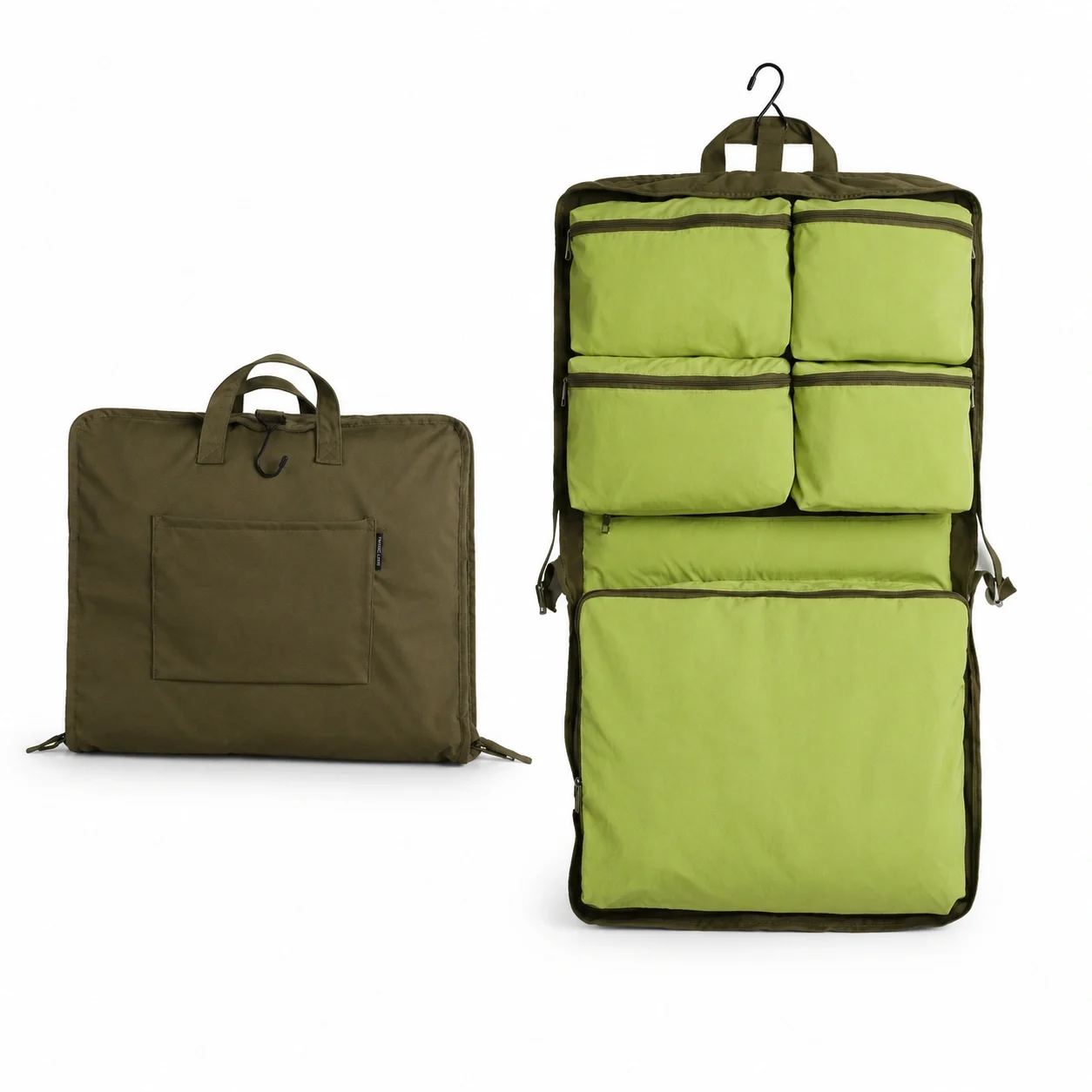
A four-piece packing cube set can separate clothing, underwear and sleepwear, activity-specific items, and a first-night module. Toiletries and smaller accessories should remain in their own defined zone.
Do not fill every container merely because it is available. The checklist sets the quantity; the containers organize it.
10. Run the final three questions
- Will I definitely use this?
- Can another packed item perform the same role?
- Would forgetting this create a real problem, or only mild inconvenience?
Remove low-value duplicates and leave a small amount of space for the return trip.
Build the system once
After the trip, note what remained unused and what was missing. That review turns a generic checklist into your personal three-day template. Explore DEPOZA travel organizers for a category-based setup that is easier to repeat.