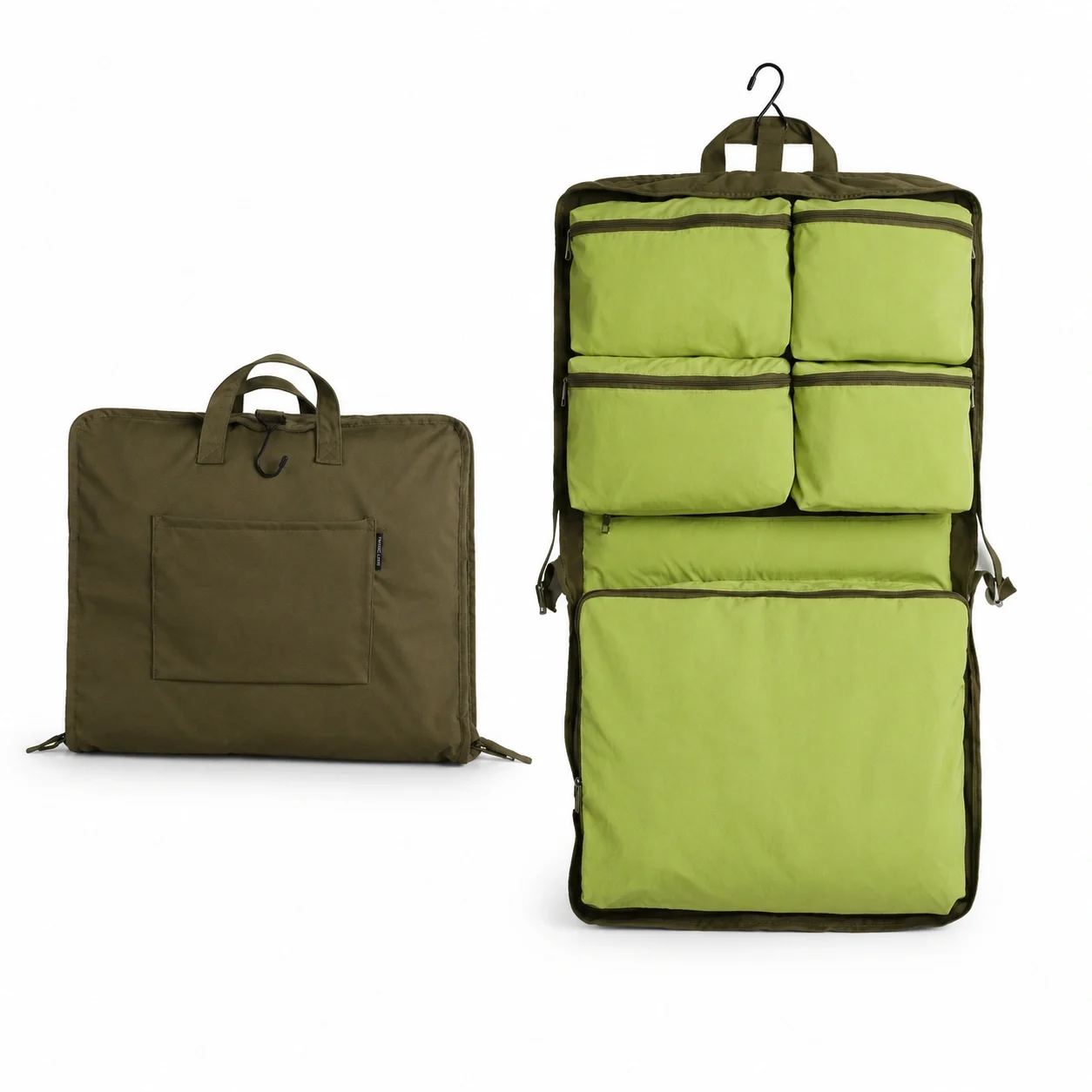
Packing cubes can make a suitcase easier to use, but they can also hide a common mistake: filling every cube simply because the space exists. The goal is not to fit the maximum amount. The goal is to build a clear system that supports the trip you are actually taking.
The most reliable approach is to decide what each cube is responsible for before clothing enters the suitcase.
Start with the trip, not the containers
Write down the number of days, expected activities, access to laundry, and any dress requirements. Then place the complete packing list on a bed or table. This step matters because an open suitcase encourages last-minute additions. A visible list makes duplication easier to spot.
Remove items that solve the same problem. Three nearly identical layers, several backup outfits, and multiple pairs of “maybe” shoes usually add bulk without adding much flexibility.
Give every cube one job
A four-piece system can be organized in several ways:
- By clothing type: tops, bottoms, underwear, and sleep or activity wear.
- By stage of the trip: arrival, main stay, special event, and return journey.
- By person: useful when two travelers share one suitcase.
- By access priority: first-night items, daily clothing, backup items, and smaller essentials.
Choose one logic and keep it consistent. Mixing several systems inside the same bag creates more decisions, not fewer.
Pack the cube to a limit, not to capacity
Set the clothing quantity first, then choose the cube that fits it. Do not add extra items merely because a zipper still closes. A practical rule is to leave a little flexibility in each cube so it can be opened, searched, and repacked without a struggle.
This also leaves room for the normal changes that occur during a trip: clothing is folded differently, a small purchase is added, or a damp item needs temporary separation.
Use a repeatable folding method
Rolling, flat folding, and file folding can all work. Consistency is more important than choosing one universal method. If shirts are folded to similar dimensions, they are easier to count and retrieve. If small items are grouped, they are less likely to disappear into corners.
Avoid extreme force. Packing cubes are organization tools; unless a product is specifically designed and verified for compression, they should not be treated as vacuum bags.
Keep one cube accessible
The first items you need should not sit beneath everything else. Prepare one cube for the first night or the next morning, especially when arriving late. It can hold sleepwear, a clean top, underwear, and any other clothing you need before fully unpacking.
Place that cube near the opening of the suitcase. This single choice can prevent a complete unpacking session when you are tired.
Separate clean, worn, and uncertain items
Do not let the system collapse after the first day. Choose a place for worn clothing from the beginning. That may be an empty cube, a separate laundry bag, or a defined section of the suitcase.
Items that are not fully clean but may be worn again should have their own temporary zone. Keeping that category distinct prevents clean clothing from becoming part of an unclear mixed pile.
Run a final subtraction pass
Close the cubes, place them in the suitcase, and then remove one or two low-priority items. This creates a buffer and forces a useful question: which pieces are essential to the plan, and which were added from anxiety?
A good packing system should make the bag easier to live from. It should not disguise overpacking.
Build a four-part system
The DEPOZA 4-Piece Packing Cube Set is intended for this kind of category-based organization. It does not rely on an unverified compression promise; its role is to create clear zones inside luggage. Explore the current DEPOZA travel collection and choose the pieces that fit your packing routine.